If you've been living with persistent muscle pain, stiffness that won't quit, or limited range of motion that's affecting your daily activities, you've probably heard about deep tissue massage. This therapeutic approach has become increasingly popular among people seeking relief from chronic discomfort without relying solely on medication. At Tecumseh Naturopathic Clinic, our registered massage therapists use deep tissue massage as one of several techniques to help patients address the root causes of their pain and restore their body's natural function.
Deep tissue massage isn't just a firmer version of relaxation massage. It's a specialized treatment that targets the deeper layers of muscle and connective tissue in your body, working methodically to release chronic tension patterns that have built up over months or even years. Many patients in the Tecumseh area come to us after trying other approaches without lasting results, curious about whether this type of bodywork might offer the relief they've been searching for.
What Is Deep Tissue Massage
Deep tissue massage is a therapeutic technique that applies sustained pressure to reach the deeper layers of muscle tissue and fascia—the connective tissue that surrounds your muscles. Unlike gentler massage styles that primarily affect surface-level muscles, this approach penetrates through the superficial layers to address tension where it actually lives.
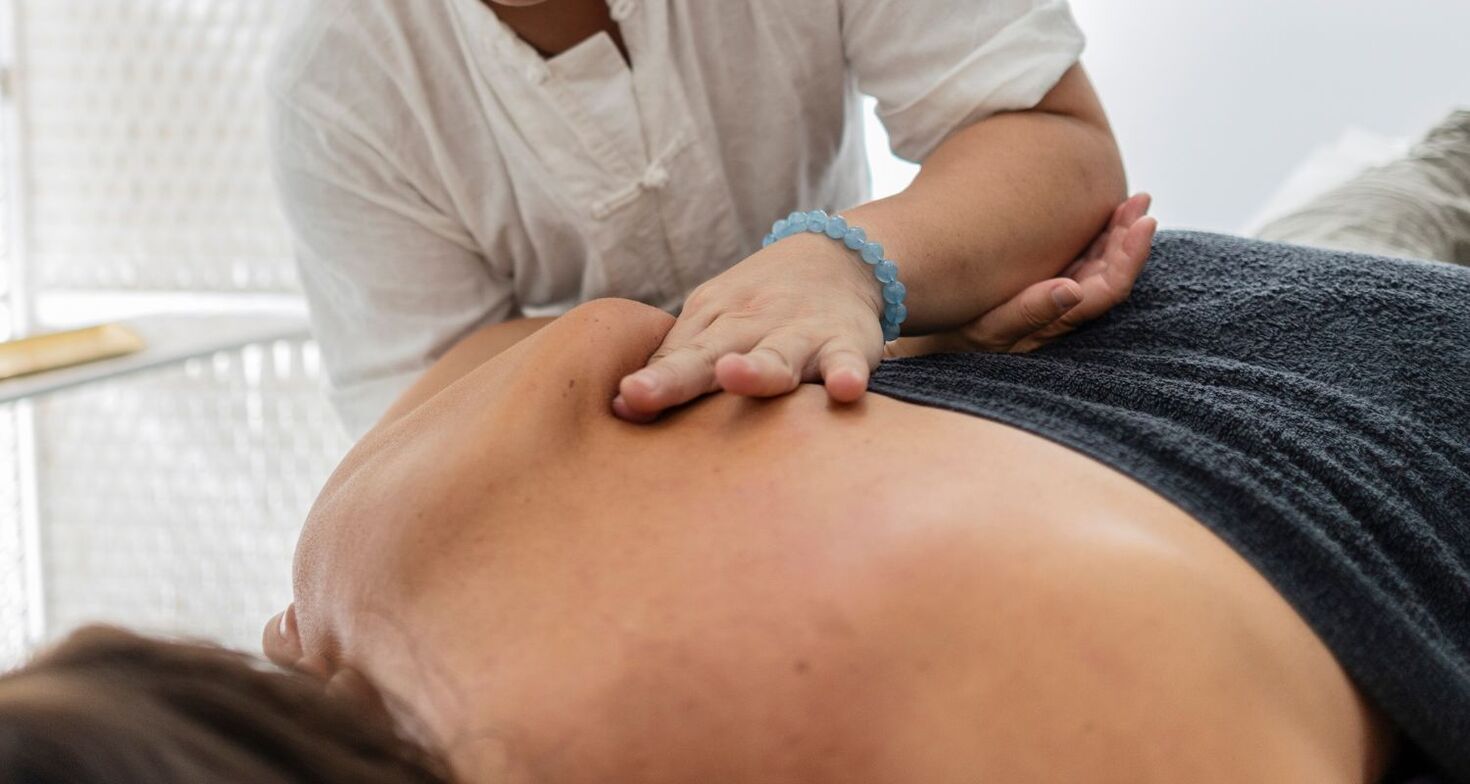
Your massage therapist uses their fingers, thumbs, knuckles, elbows, and sometimes forearms to apply firm, deliberate pressure along muscle fibers. The movements are slower and more focused than what you'd experience during a swedish massage. This isn't about covering your entire body quickly; it's about spending quality time on problem areas that need attention.
The pressure used in deep tissue massage can feel intense at times—some patients describe it as "good pain" or "therapeutic discomfort." You should feel pressure and work happening, but you shouldn't feel sharp or unbearable pain. Communication with your therapist throughout the session ensures the pressure stays within your comfort threshold while still being effective.
How Deep Tissue Massage Works in Your Body
When you experience chronic muscle tension or injury, your body responds by creating adhesions—bands of rigid tissue that can block circulation, cause pain, limit movement, and trigger inflammation. These adhesions form in muscles, tendons, and ligaments as protective mechanisms, but over time they become part of the problem rather than the solution.
Deep tissue massage works by physically breaking down these adhesions to restore normal movement and alleviate pain. The sustained pressure applied during treatment increases blood flow to the affected areas, which brings fresh oxygen and nutrients while helping to flush out toxins and inflammatory byproducts. This enhanced circulation creates an environment where healing can actually occur.
The technique also affects your nervous system. When therapists apply slow, deliberate pressure to tense muscles, it signals your nervous system to release the chronic holding patterns. Your muscles receive the message that they can finally let go of tension they've been gripping onto for far too long. Many patients at our clinic in Tecumseh notice that after their session, areas that felt rock-hard have softened considerably.
Additionally, deep tissue massage stimulates the production of serotonin and oxytocin—hormones that naturally reduce pain and create feelings of relaxation and wellbeing. This biochemical response complements the physical benefits, creating both immediate relief and longer-lasting improvements.
What Conditions Respond Well to This Treatment
Deep tissue massage therapy has proven particularly effective for several common conditions. People dealing with chronic lower back pain often find significant relief, especially when the pain stems from muscle tension rather than structural issues. The technique addresses the deep paraspinal muscles that run along either side of your spine, releasing tension that may have accumulated from poor posture, repetitive movements, or old injuries.
Neck and shoulder tension responds remarkably well to this approach. Whether your discomfort comes from hours at a computer, stress-related muscle holding, or whiplash from a past accident, targeted work on these areas can restore mobility and reduce pain levels substantially. Athletes frequently turn to deep tissue massage for sports injuries and chronic muscle strain. The treatment helps reduce recovery time and prevents minor issues from becoming major problems.
Conditions like plantar fasciitis, tennis elbow, and other overuse injuries benefit from the focused attention this technique provides. By addressing the specific tissues involved in these conditions, therapists can reduce inflammation and promote healing. People with fibromyalgia often experience relief from the widespread muscle pain that characterizes this condition, though treatments may need gentler modifications initially.
Postural problems that create muscle imbalances also improve with consistent deep tissue work. When certain muscles become chronically tight while their opposing muscles weaken, your body develops compensation patterns that perpetuate discomfort. This massage style helps reset those patterns by releasing the overtight muscles and allowing proper alignment to return.
How Deep Tissue Massage Differs From Other Therapies
Understanding what sets deep tissue massage apart from other manual therapies helps you make informed decisions about your care. While relaxation massage uses gentle, flowing strokes primarily designed to calm your nervous system and create a sense of peace, deep tissue massage has therapeutic goals focused on resolving specific problems.
Swedish massage, which many people think of as "regular massage," works mainly on superficial muscle layers using five basic strokes. It's excellent for stress relief and general muscle tension, but it doesn't reach the deeper structures where chronic problems often hide. The pressure stays moderate to light, and the overall experience emphasizes relaxation over rehabilitation.
Myofascial release shares some similarities with deep tissue massage in that both address the fascia, but the techniques differ significantly. Myofascial release uses gentle, sustained pressure without oils or lotions, holding each position for several minutes to allow the fascia to release. Deep tissue massage uses more direct pressure with deeper strokes to address both muscle tissue and fascia.
Sports massage borrows techniques from deep tissue work but focuses specifically on areas of the body that experience stress from athletic activities. It's often used before events to prepare muscles or after to aid recovery. While it can be quite firm, it's typically faster-paced and covers more areas than a targeted deep tissue session.
Soft tissue release, another technique our therapists at Tecumseh Naturopathic Clinic employ, combines pressure with active or passive stretching. This approach releases muscles differently than pure deep tissue work, though the two methods complement each other beautifully in a comprehensive treatment plan.
Trigger point therapy focuses specifically on hyperirritable spots within muscles that cause referred pain in other areas. While deep tissue massage may address trigger points during treatment, trigger point therapy concentrates exclusively on these specific spots rather than working entire muscle groups.
What to Expect During Your Session
When you arrive for your first deep tissue massage appointment, your therapist will begin with a thorough assessment. They'll ask about your medical history, current symptoms, what activities might have contributed to your condition, and what you hope to achieve through treatment. This conversation helps them tailor the session to your specific needs rather than providing a one-size-fits-all approach.
The treatment itself typically starts with lighter pressure to warm up your muscles and prepare them for deeper work. Jumping straight into intense pressure would be counterproductive—your muscles need time to acclimate and trust the process. As the session progresses, your therapist gradually increases pressure while monitoring your responses and asking for feedback.
You'll lie on a comfortable massage table, and your therapist will use draping to ensure only the area being worked on is exposed. Most sessions last between 60 and 90 minutes, though shorter appointments focusing on specific problem areas are also available. The therapist may use their hands, forearms, elbows, or specialized tools to reach different depths and angles.
During the treatment, you'll likely feel various sensations. Some areas might feel tender when first touched, then release and feel better as work continues. Other spots might feel surprisingly good despite the firm pressure. If you ever feel sharp pain, burning, or anything concerning, speak up immediately—your therapist can adjust their approach.
After your session, you might feel relaxed and loose, or you might notice some soreness similar to what you'd experience after a good workout. This post-treatment soreness typically fades within a day or two and indicates that your body is processing the work done. Drinking extra water helps flush out metabolic waste products released during the massage.
Building Your Treatment Plan
One session can provide noticeable relief, but chronic conditions typically require a series of treatments to achieve lasting results. Your therapist will work with you to determine an appropriate treatment schedule based on the severity and duration of your condition. Initially, you might benefit from weekly sessions, then gradually space appointments further apart as your condition improves.
Many patients at our Tecumseh clinic combine deep tissue massage with other services we offer, including naturopathic medicine and acupuncture. This integrative approach addresses health concerns from multiple angles, often producing better outcomes than any single modality alone. Our team communicates to ensure your care remains coordinated and focused on your goals.
Between sessions, your therapist may recommend stretches, exercises, or lifestyle modifications to support the progress you're making. These homework assignments aren't about adding stress to your life—they're simple practices that help maintain the improvements gained during treatment. Following through with these recommendations significantly impacts how quickly and thoroughly you heal.
When to Consider This Type of Massage
You might be an excellent candidate for deep tissue massage if you've been dealing with persistent muscle pain that hasn't responded to rest or over-the-counter treatments. If you notice that certain areas of your body feel perpetually tight or if you've lost range of motion that used to come easily, this technique could help restore function.
People who've been injured in accidents often benefit greatly from deep tissue work as part of their rehabilitation. Whether it's a car accident, sports injury, or workplace incident, this therapy helps address the lingering soft tissue damage that can persist long after initial healing occurs. Residents throughout Ontario, including those in Tecumseh, often include massage therapy as a central component of their recovery plans.
If stress manifests in your body as muscle tension—perhaps your shoulders creep up toward your ears or your jaw clenches throughout the day—deep tissue massage offers more than temporary relief. By addressing the physical manifestations of stress, you create space for your nervous system to recalibrate and establish healthier patterns.
Those with chronic health conditions like arthritis or fibromyalgia may find that regular massage therapy becomes an essential part of managing their symptoms. While it doesn't cure these conditions, it can significantly improve quality of life by reducing pain levels and increasing mobility.
Taking the Next Step Toward Relief
Living with chronic pain or limited mobility doesn't have to be your normal. Deep tissue massage provides a proven, non-invasive approach to addressing the underlying muscular issues that contribute to your discomfort. The registered massage therapists at Tecumseh Naturopathic Clinic bring specialized training in this technique along with a genuine commitment to helping you feel better.
If you're ready to explore whether deep tissue massage might be the right fit for your needs, we invite you to book a consultation. During this initial appointment, we'll discuss your health history, assess your current condition, and create a treatment plan designed specifically for you. You'll leave with a clear understanding of what to expect and how massage therapy can support your journey toward better health.
Don't let another month go by living with pain that could be addressed. Contact Tecumseh Naturopathic Clinic today to schedule your deep tissue massage appointment and start experiencing the relief that comes from expert therapeutic bodywork.
.jpg)
.jpg)